Fully licensed & accredited
-
 Building & Plumbing Commission
-
 Australian Society of Building Consultants
-
 Strata Community Association
-
 Building Dispute Practitioners Society
For Wyndham Vale owners with a damaged home and a claim in progress, this independent building report records the cause of the damage, how much of the house it affects and what the repair should involve, with photographs and readings throughout.
One of our inspectors will call you back. If it is urgent, email [email protected].
Fully licensed & accredited
Building & Plumbing Commission Australian Society of Building Consultants Strata Community Association Building Dispute Practitioners Society This non-destructive inspection records the damage, its likely cause and its extent. If the original building work is part of the argument, the report compares it with the National Construction Code, the Building and Plumbing Commission's Guide to Standards and Tolerances and the applicable Australian Standards for that element.
21 checkpoints across 6 areas on a standard Wyndham Vale insurance building report. Anything locked, buried under stored goods or behind a sealed panel on the day is listed in the report as not accessed, so you know exactly what was and was not seen.
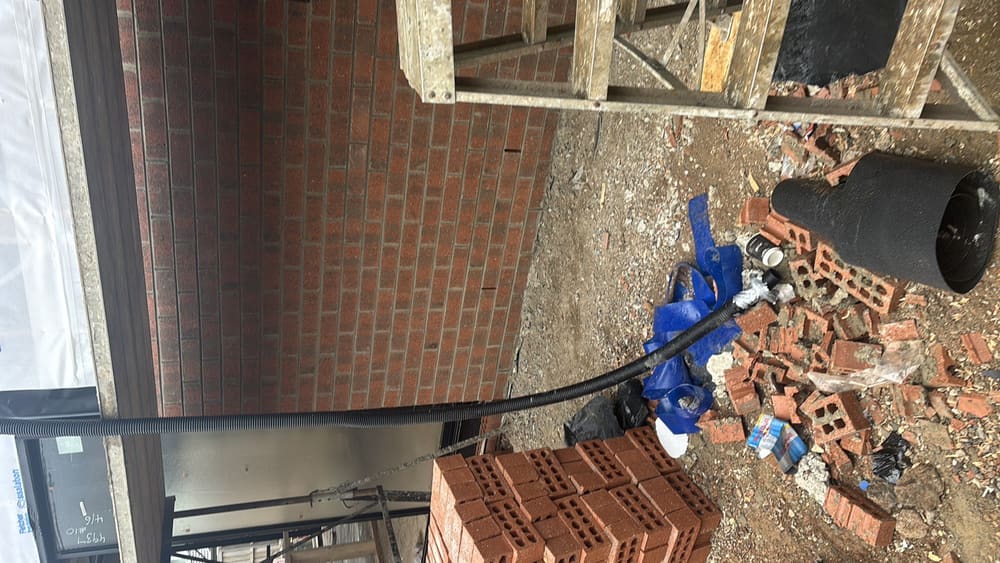
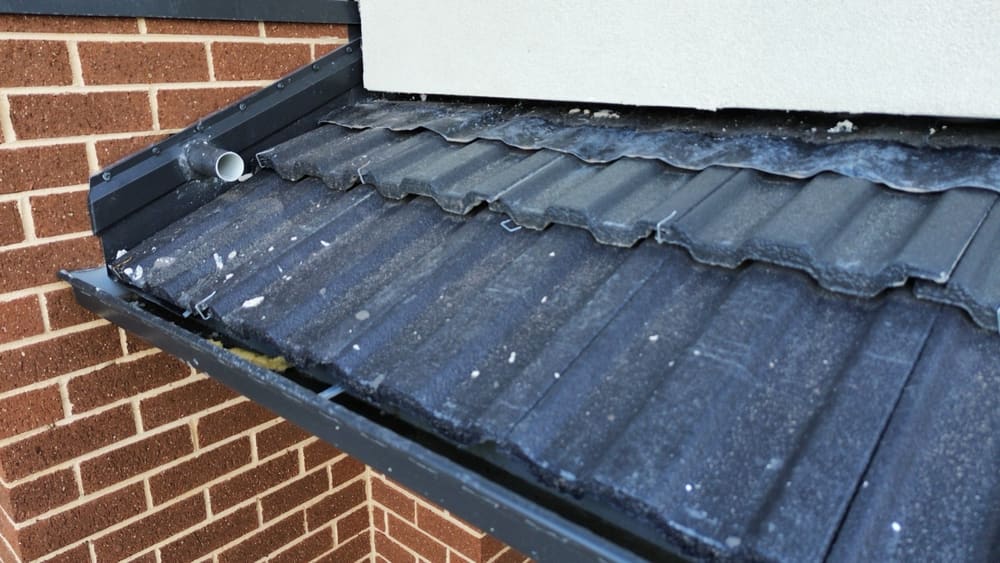
Examples from recent inspections around Wyndham Vale.
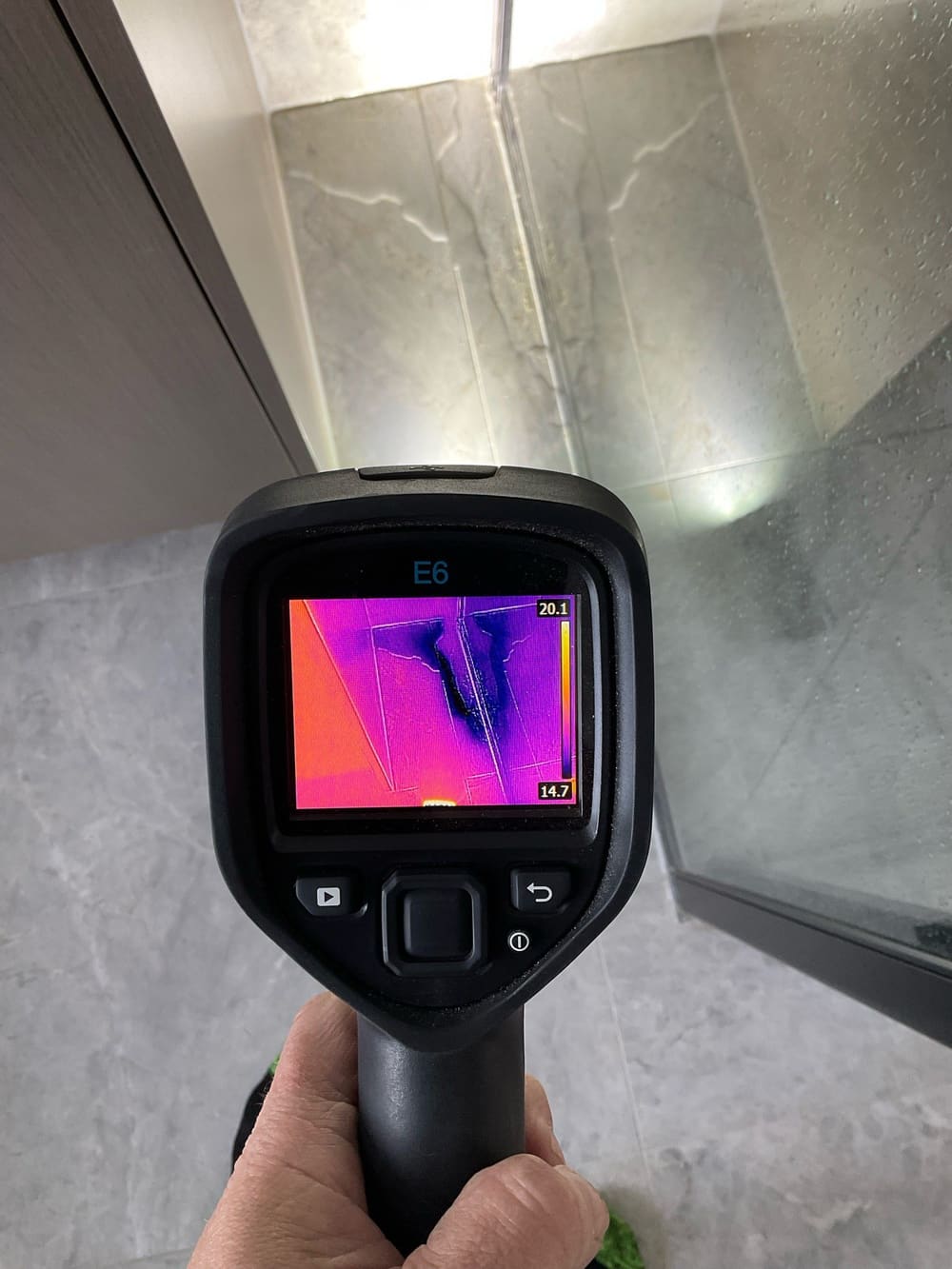
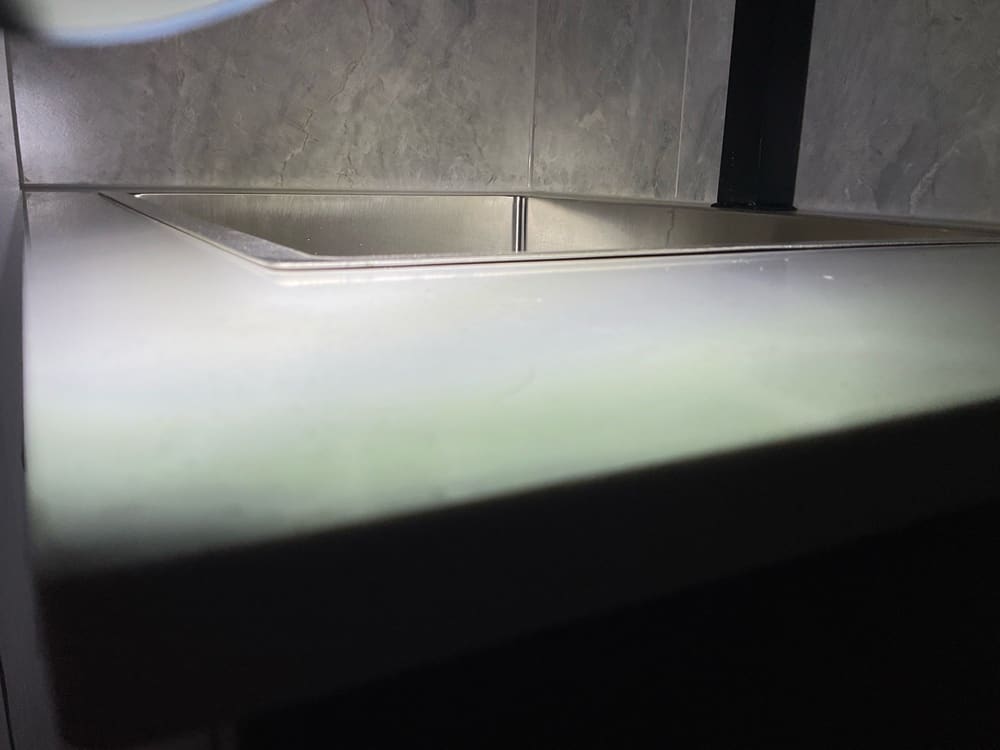
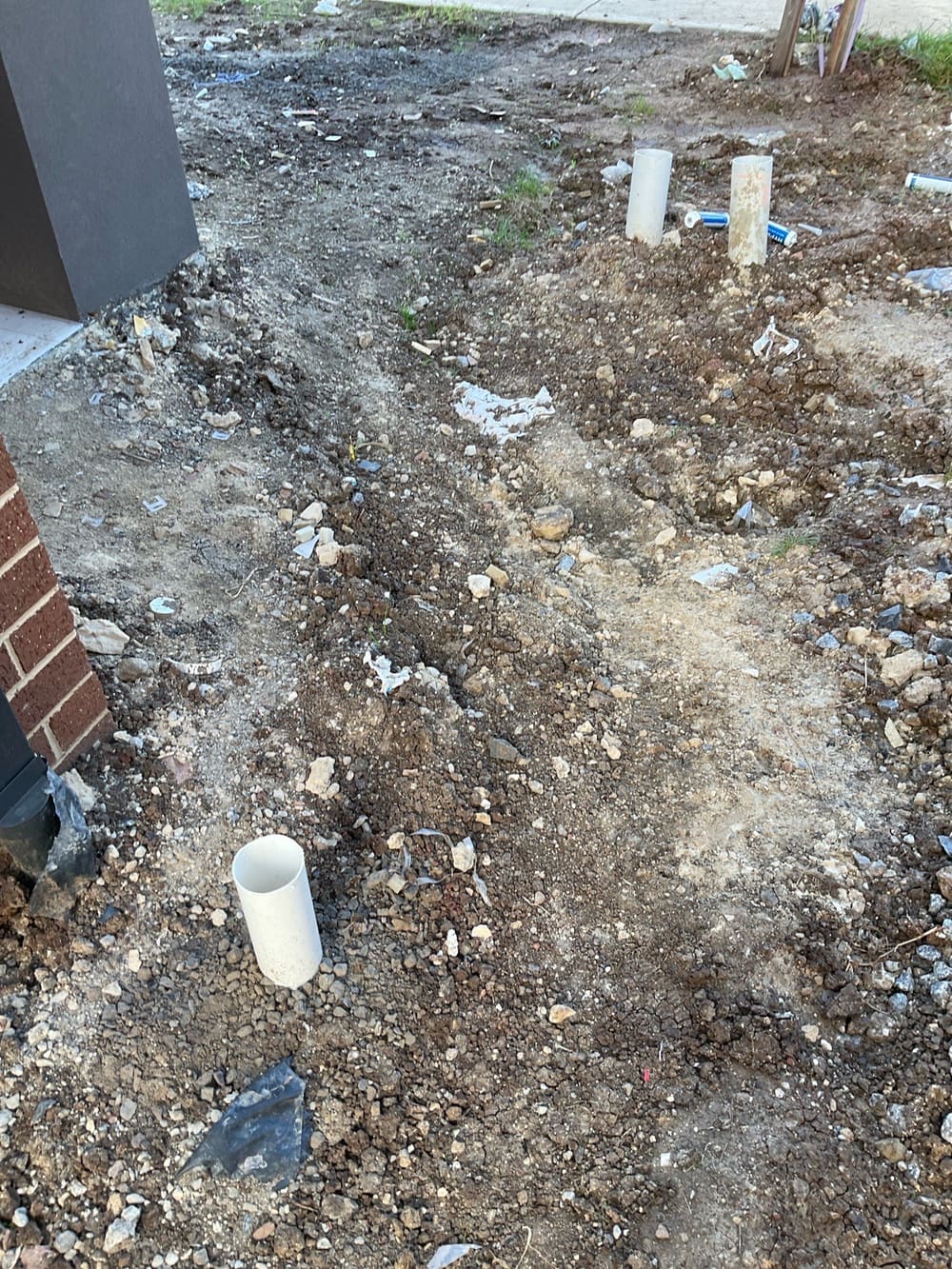
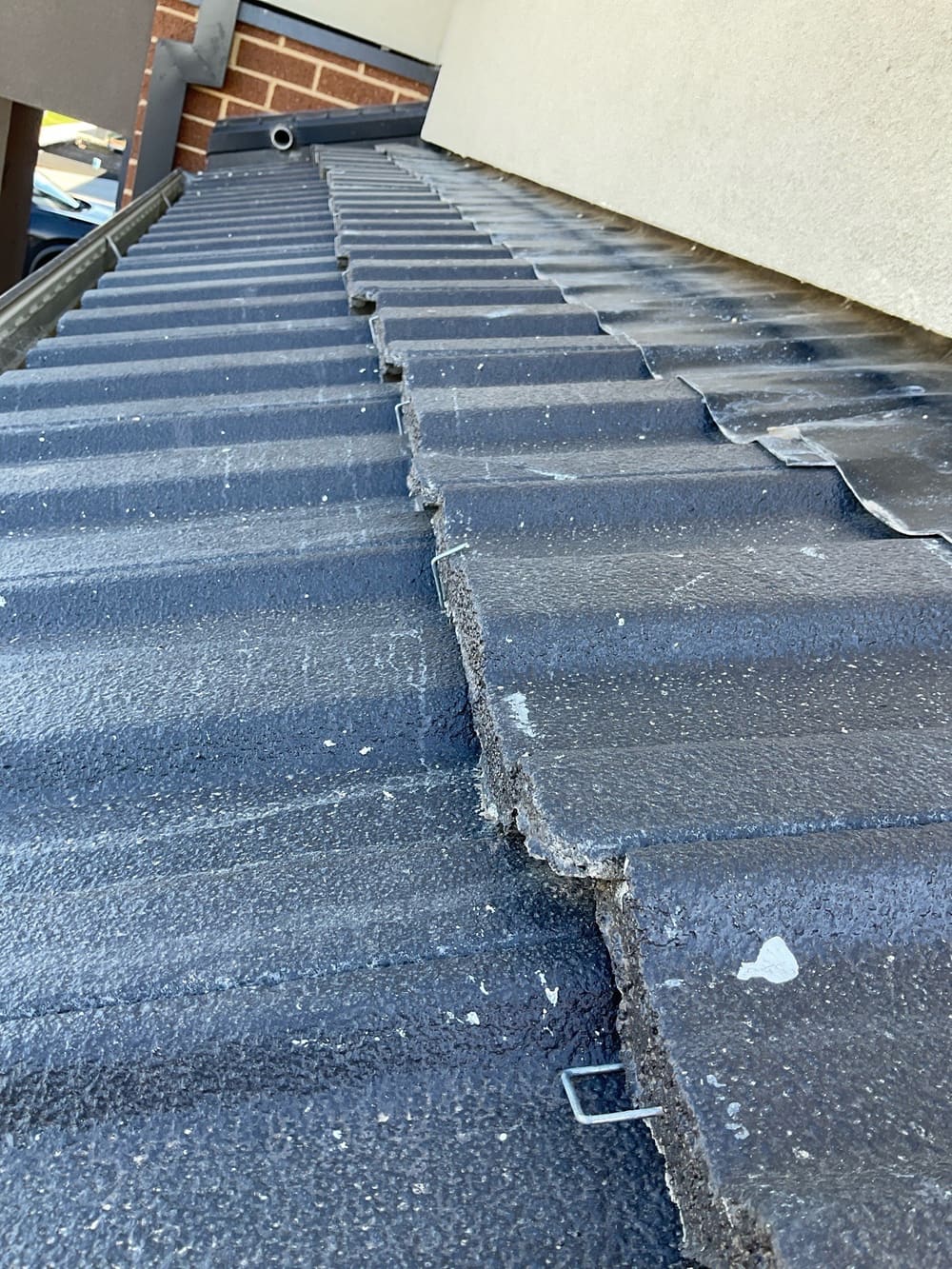
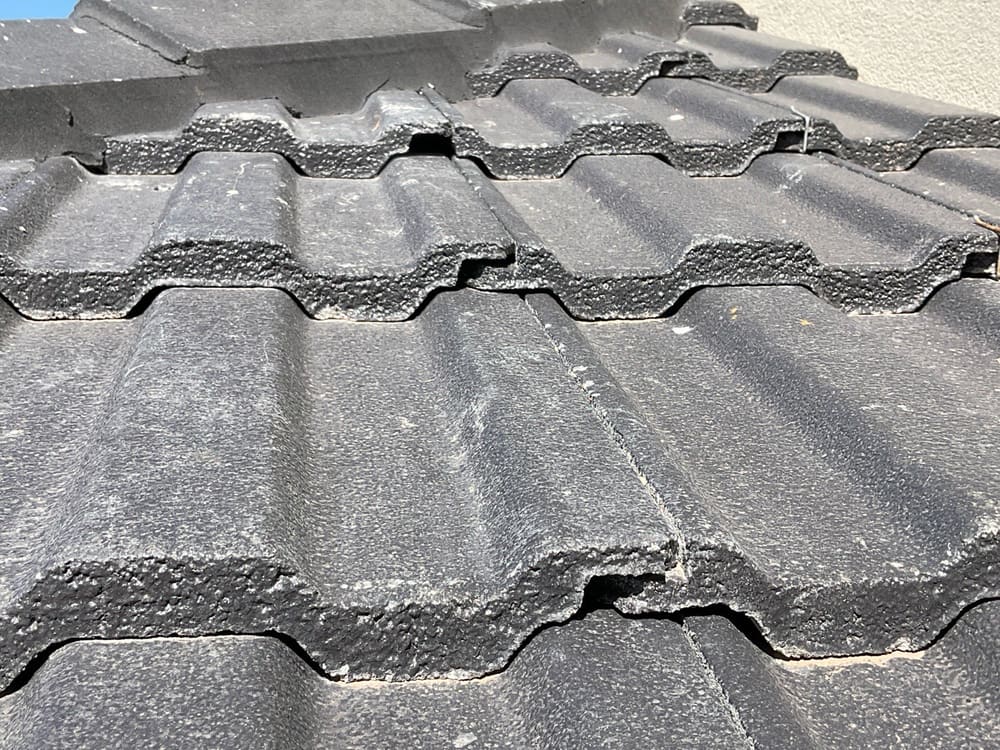
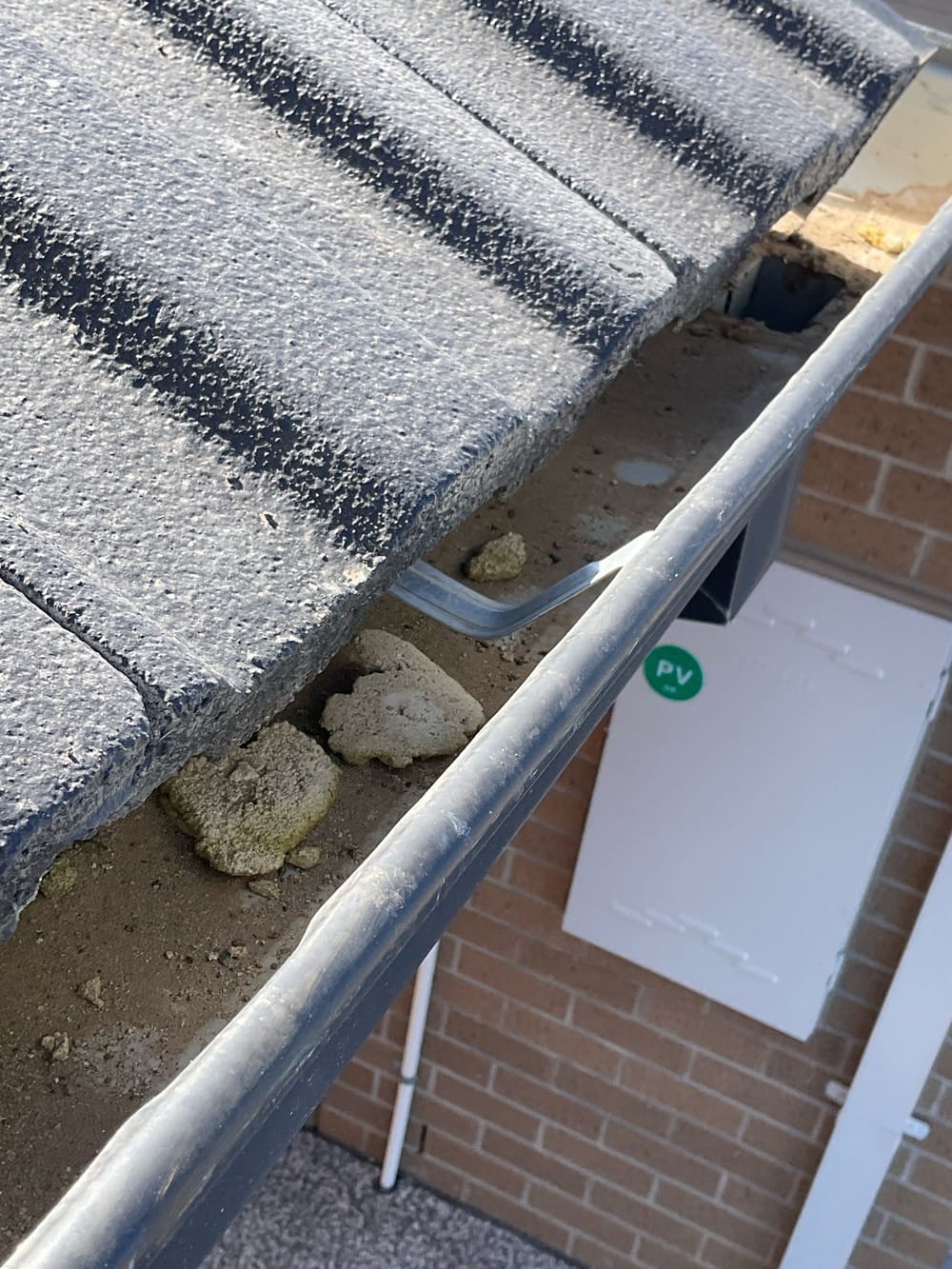
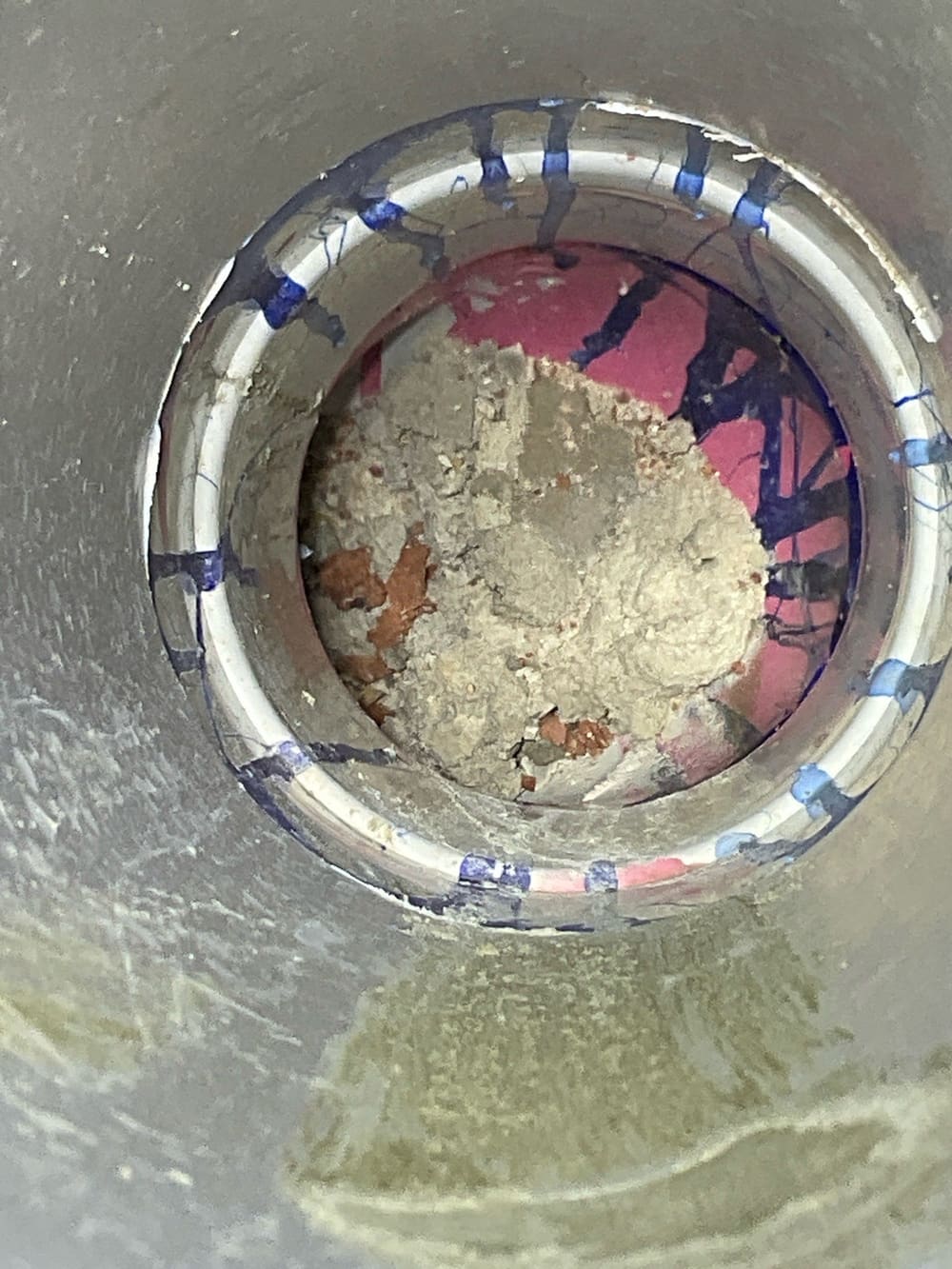
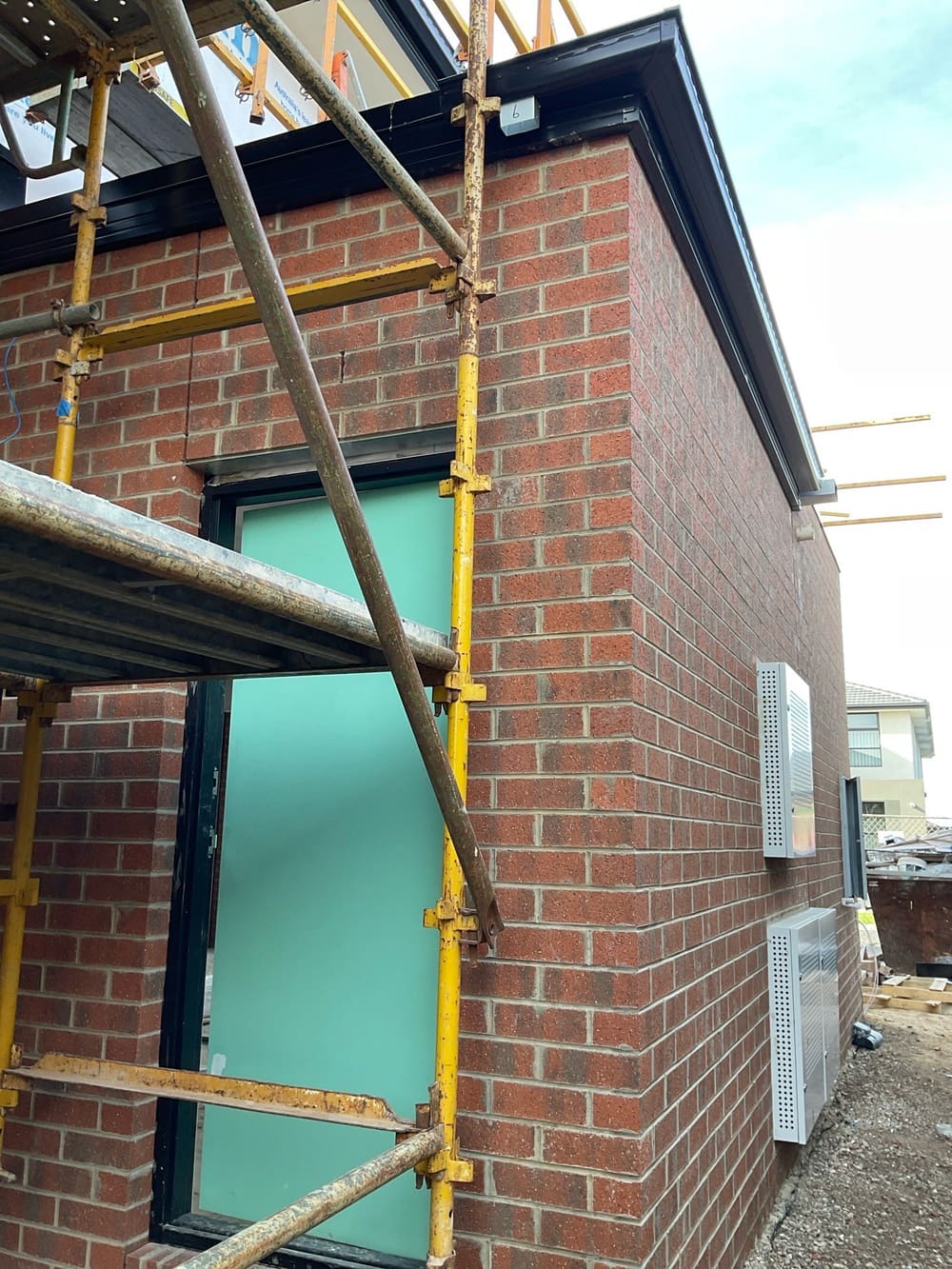
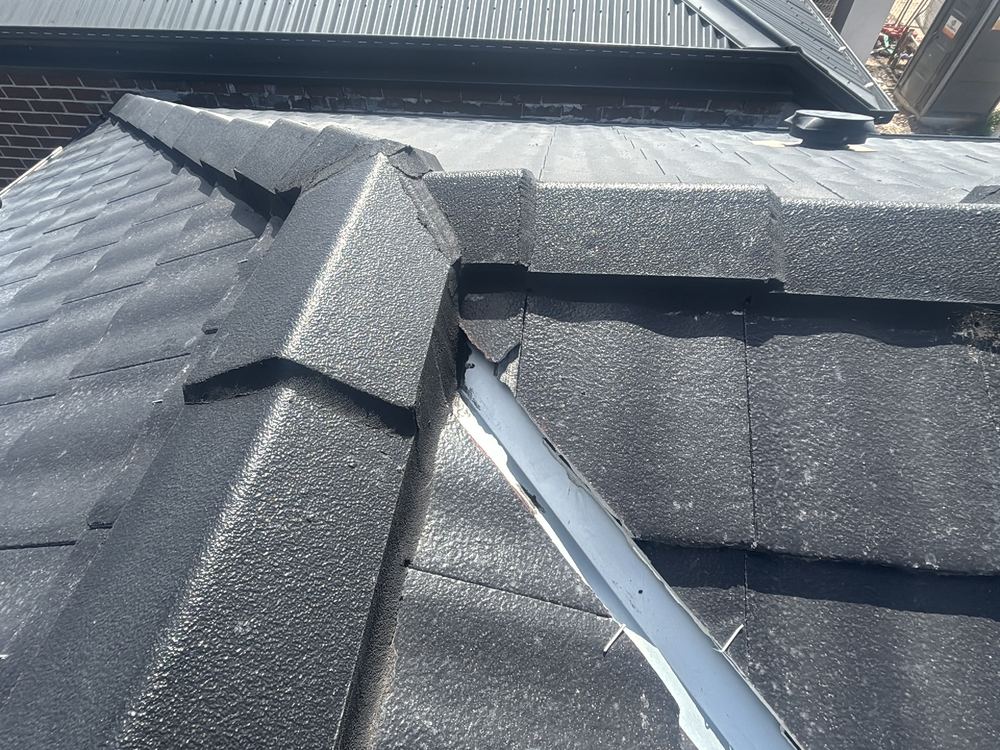
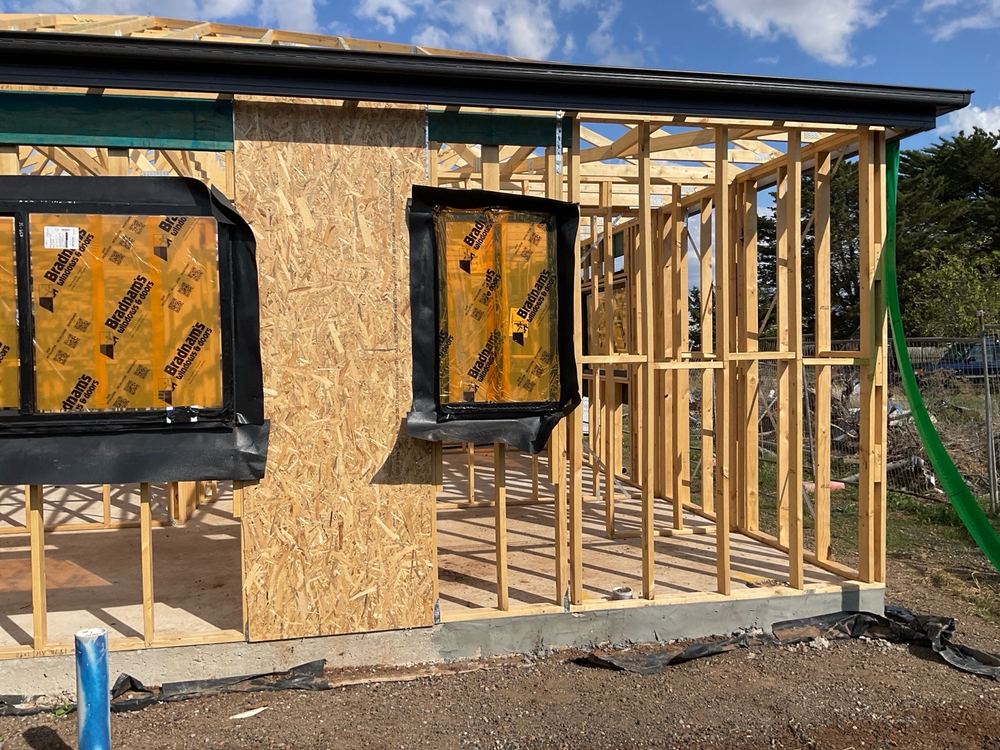 New Construction Stage Inspections Seven visits through a Wyndham Vale build, each one booked for the day before that work is covered.
 Pre-Handover (PCI) Inspections The walk through before you sign, with a reinspection to prove the list was actually done.
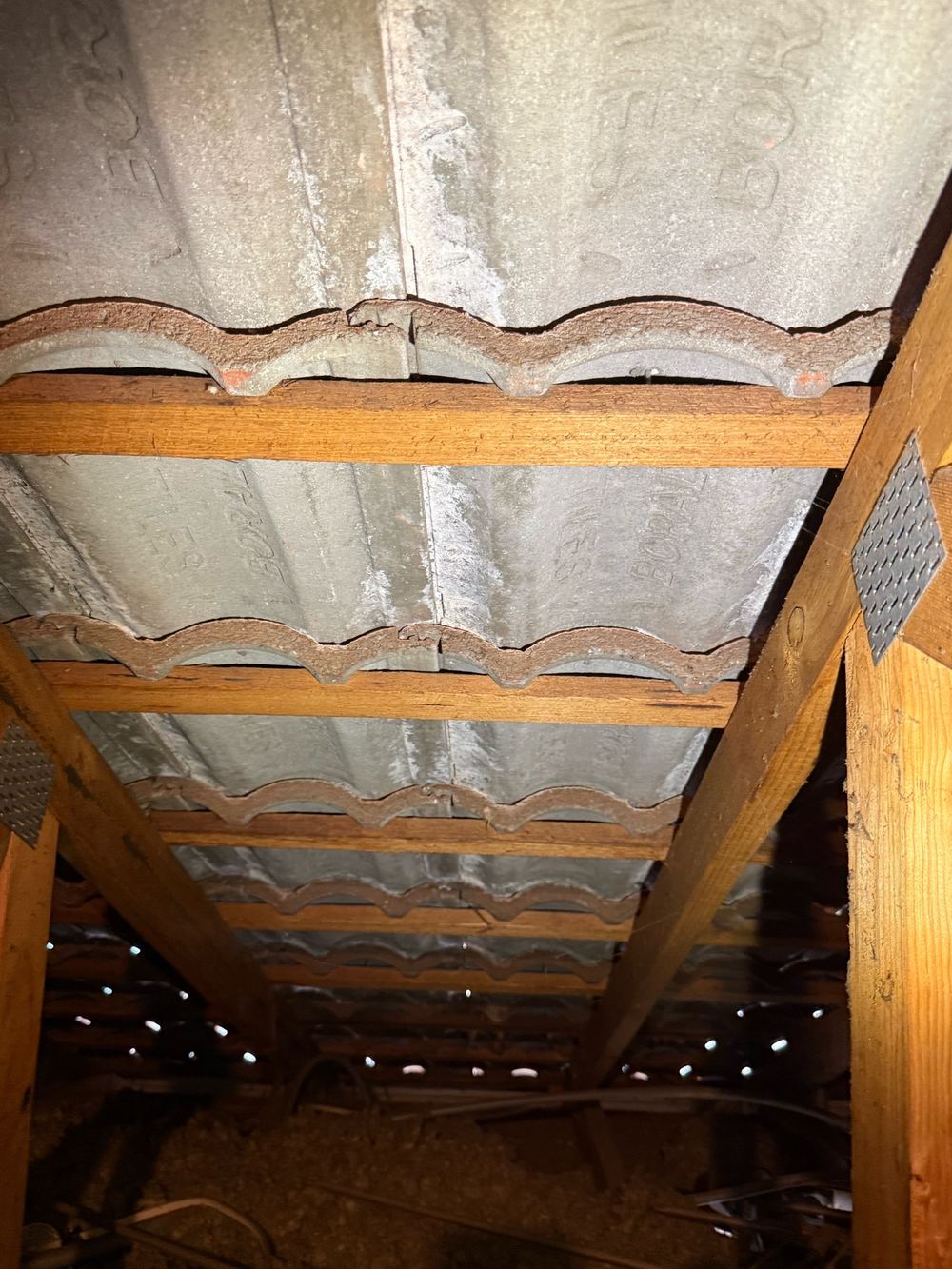 Pre-Purchase Building Inspections What a Wyndham Vale house is really like once the styling is gone, reported under AS 4349.1.
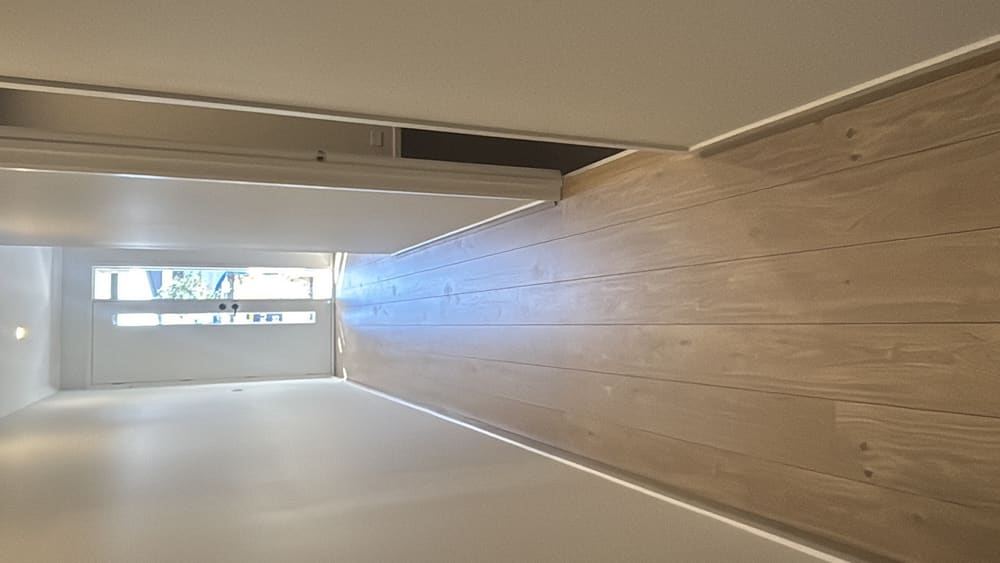 Apartment and Strata Inspections Townhouses and units in Wyndham Vale, with lot and common property items noted.
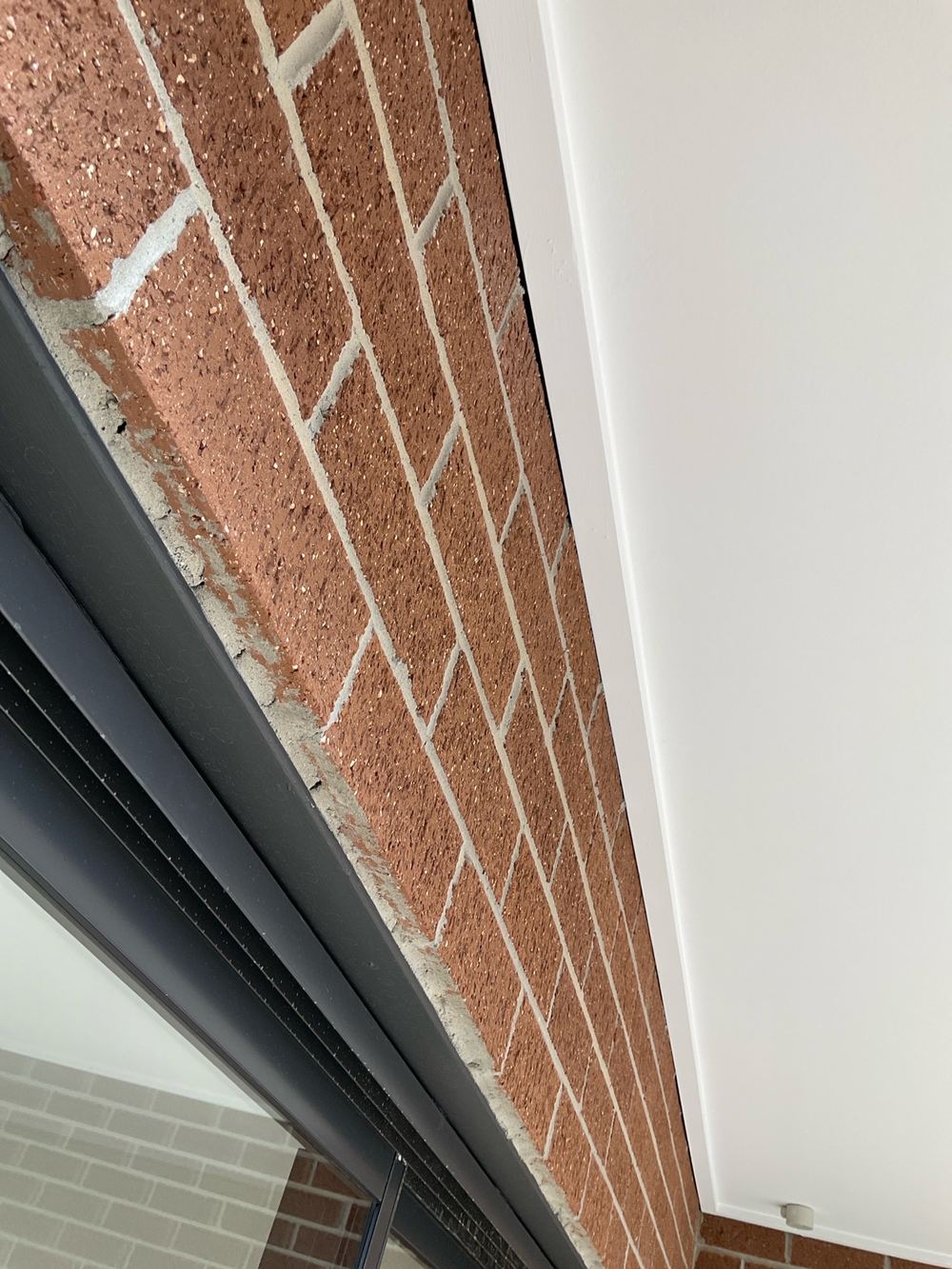 Dilapidation Reports Photograph your Wyndham Vale home's condition before the lot next door starts digging.
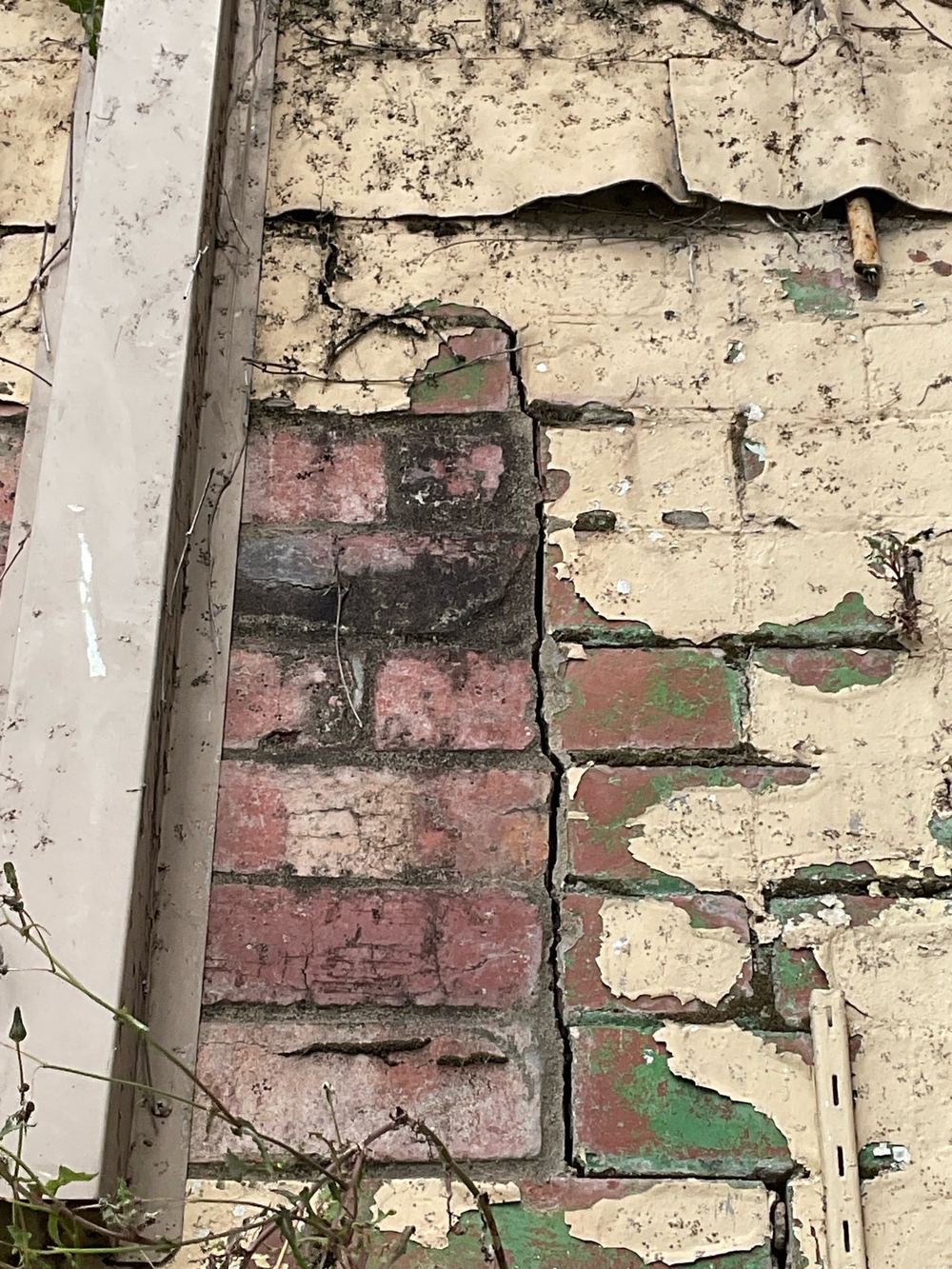 Expert Witness Reports Evidence written to the VCAT expert practice note when a building dispute reaches the tribunal.
 Pre-Listing Inspections Know what a buyer's inspector will report before your Wyndham Vale home goes on the market.
Instant online pricing for Wyndham Vale, or contact the booking team.
It gives you an independent, written account of the damage: what is affected, what most likely caused it, how far it goes and what repairs it calls for. Each finding is backed by photographs, plus readings where water or movement is part of the picture. It can support a claim, answer a refusal or challenge a scope of works.
The insurer, which appoints the loss adjuster or assessor to assess the claim for it. We are engaged by you to report on the building, and the author's qualifications appear in the report. We do not make claim decisions, negotiate a settlement or advise on the law.
No report can promise that. What decides it is how the policy is written, why the damage happened and what the law says. The report gives the decision makers clear evidence of cause and extent, and the Australian Financial Complaints Authority, if a complaint reaches it, weighs the expert evidence put forward by both sides.
It may, which is why the report separates the two. Tiles broken cleanly or knocked out of place, sheeting lifted at its fixings and staining that matches the event date all point to the event, whereas rust, perished sealant, old tide marks and gaps that have been open for years point to age. Often there is some of each, and the report says so, because pointing to some wear is not enough: an insurer using a wear and tear exclusion has to show the wear actually caused the loss.
When an insurer denies a claim or pays it only in part, the General Insurance Code of Practice requires it to say in writing which parts it does not accept and why. You must also be told of your right to request the information and any expert or service supplier reports the insurer relied on, and under the Code a requested report is provided within 10 business days. Once you have them, send them through and our report addresses each one.
Faulty workmanship exclusions appear in many home policies, so the report begins by establishing what has failed and why. If the original work on a newer Wyndham Vale home is responsible, the Domestic Building Contracts Act 1995 implies warranties that it was carried out in a workmanlike manner, with reasonable care and skill and suitable materials. As a general rule, a building action must start within 10 years of the occupancy permit, or the certificate of final inspection where no occupancy permit exists. Write to the builder about the defects, use the Building and Plumbing Commission's dispute resolution service, and get advice on deadlines early.
Yes. The insurer's scope of works lists the repairs it will fund, and some items may be missing because they are not covered and others because they were missed. We compare the scope with the damage on site and draw up a rectification scope a builder can quote against. According to the Insurance Council, owners can seek independent advice on the scope from a qualified builder or building consultant.
We establish cause and extent from what we see and measure on site. Where the original work is in question, the report refers to the National Construction Code, the edition of the Building and Plumbing Commission's Guide to Standards and Tolerances that applied when the house was built, and the Australian Standard for the element, AS 3740 for domestic wet area waterproofing being one example.
Opening up the building, engineering certification, soil or laboratory testing, plumbing pressure tests, electrical tests, mould sampling, contents and the repair work are all excluded. We do not represent you in dealings with the insurer and we do not give legal advice. If the cause can only be confirmed by an opening or a plumber's test, the report says where and explains why.
Lodge a complaint with the insurer first; under the Code it has 30 calendar days to decide or to explain the delay and tell you of your right to go to AFCA. If it is not resolved, the Australian Financial Complaints Authority offers a free and independent service, and its decisions bind the insurer in line with its rules. Do not wait too long, because for most complaints the limit is the earlier of six years from when you knew of the loss and two years after the insurer's final response.
Book soon after the damage, before any repairs if it is safe to leave them, because the evidence of cause is clearest early on. Any deadline from the insurer or a complaint process should be mentioned when you book. We cover Wyndham Vale, including Jubilee, Savana and Wollahra Rise, as well as Manor Lakes, Werribee, Tarneit, Mambourin, Hoppers Crossing and Little River.